The "pain of paying" research: why how you charge changes what people buy
The same price, charged differently, produces measurably different spending behavior. Here's what the actual research on payment friction shows.
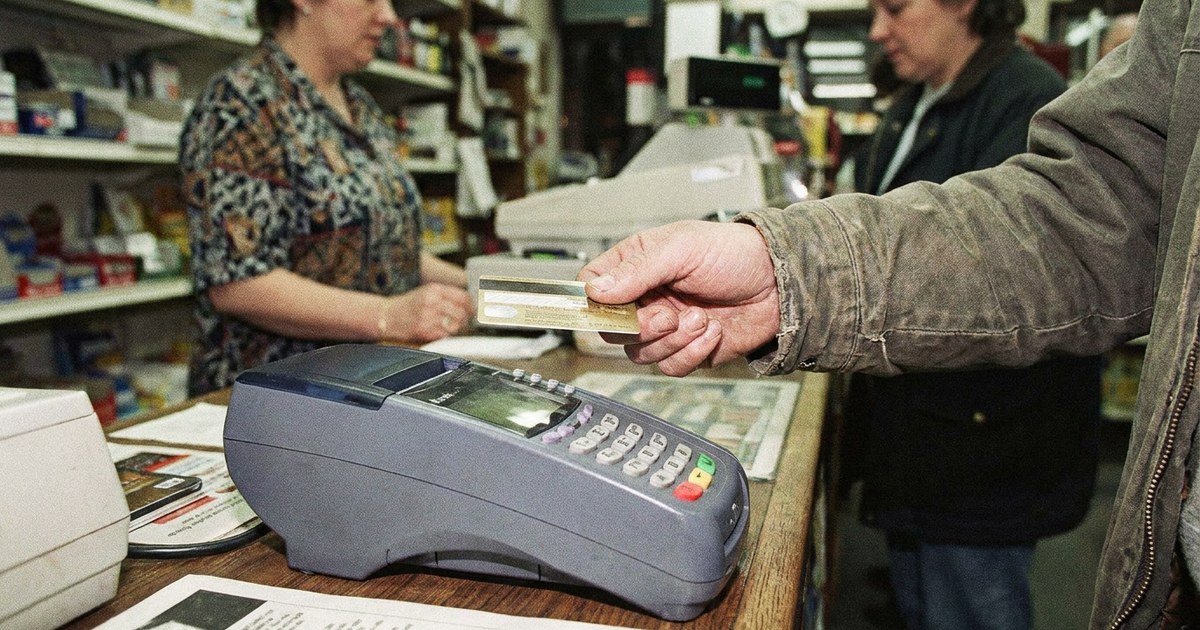
"Pain of paying" is the term behavioral economists use for the small psychological discomfort triggered by the act of parting with money — and the research shows that discomfort is highly sensitive to how a payment is made, not just how large it is. The foundational framing comes from Drazen Prelec and George Loewenstein's work in the late 1990s, which modeled paying and consuming as separate psychological events that can be brought closer together or pulled further apart depending on payment design.
The clearest and most widely replicated finding is that cash purchases generate more pain of paying, and correspondingly more price sensitivity, than card purchases — which is a large part of why credit cards reliably increase spending relative to cash for the same nominal price, a finding demonstrated repeatedly since Richard Feinberg's original 1986 lab studies and reconfirmed with real transaction data many times since. Prepayment and "decoupling" — separating the moment of payment from the moment of consumption, the way an all-inclusive resort package or a prepaid gift card does — similarly reduces pain of paying at the moment of use, because the sting of payment already happened earlier and is no longer psychologically linked to the specific meal or drink in front of you.
Priya Raghubir and Joydeep Srivastava's research extended this specifically to payment mechanisms, showing that more abstract forms of payment — gift cards, points, and other "decoupled" currency — reduce spending restraint compared to cash, because the abstraction weakens the mental link between the specific purchase and a real dollar cost.
The direct commercial application is subscription and usage-based billing design: less frequent, more abstracted billing (annual invoices, credits, bundled usage) reliably produces less price sensitivity and churn-triggering scrutiny than frequent, concrete billing (itemized monthly charges, granular per-use fees) for the same total spend. It's also, worth noting, part of why regulators have grown more skeptical of billing structures that lean heavily into this effect — auto-renewing annual plans and prepaid credits that are hard to track are functionally exploiting the same psychological mechanism that makes decoupled payment pleasant, which is precisely the tension now playing out in the FTC's click-to-cancel rulemaking.
Get the bi-weekly brief
Teasers of the latest articles, delivered every two weeks.