What drip-pricing research says about why partitioned prices work, until they don't
Splitting a price into a base fee plus add-ons has a real, well-documented short-term effect on perceived cost. It's also exactly the practice regulators have spent two years dismantling.
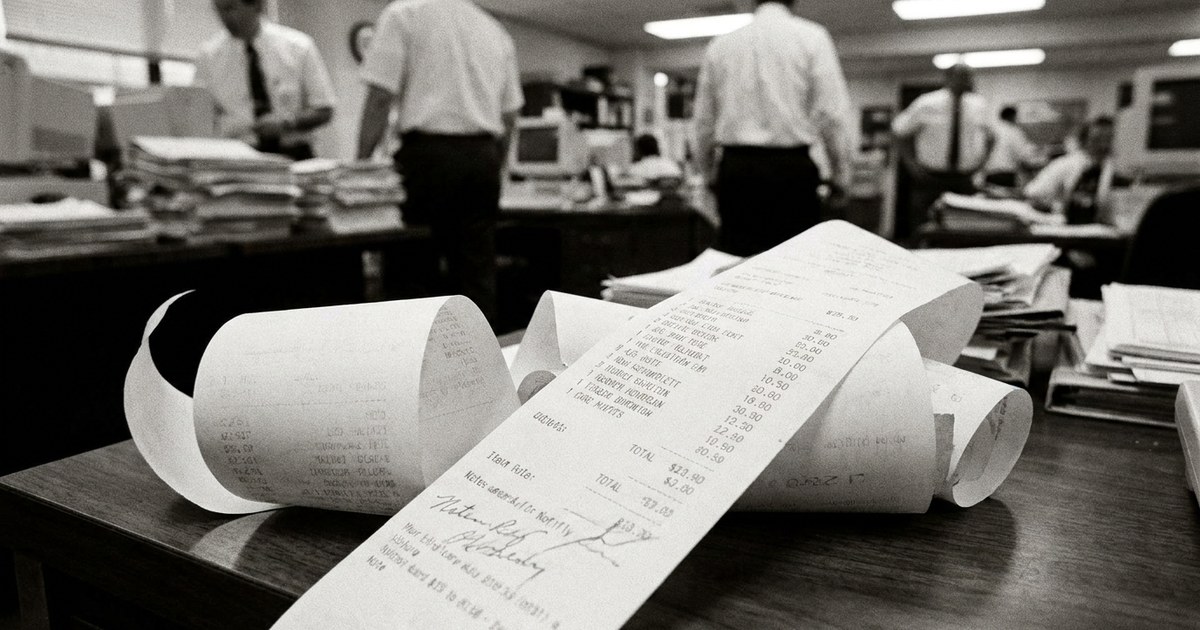
"Partitioned pricing" — separating a total price into a base charge plus one or more surcharges, like a base fare plus taxes and fees — has a genuine, well-replicated effect on consumer behavior, and understanding why helps explain both its popularity and the regulatory backlash now targeting it.
The foundational research, notably work by Rebecca Hamilton and colleagues along with earlier studies by Xia and Monroe in the mid-2000s, consistently finds that consumers tend to underweight secondary, itemized surcharges relative to a single all-in price, even when the total is identical or higher — largely because the base price gets more attention and cognitive weight as the anchor, and consumers frequently fail to add every line-item surcharge back in when forming their overall price judgment, particularly under time pressure or when comparing several options quickly.
The effect is strongest precisely in the conditions the FTC's Junk Fees Rule now targets: live-event ticketing and short-term lodging, where consumers are comparing multiple options quickly, surcharges are often revealed late in the purchase flow, and the mandatory fees can be substantial relative to the base price. That's not a coincidence — regulators studying "drip pricing" drew directly on this research literature in building the case for disclosure rules.
The research also identifies the boundary condition that ultimately undoes the tactic: partitioned pricing's benefit erodes, and can reverse into a trust penalty, once consumers learn to expect hidden fees in a category and start mentally inflating any partitioned price by a default markup to compensate — which is exactly the dynamic industry analysts have observed in ticketing and travel, where "the price shown is never the real price" has become a widespread consumer assumption that now actively suppresses conversion even for sellers who partition prices honestly.
Get the bi-weekly brief
Teasers of the latest articles, delivered every two weeks.