Congestion and Demand-Based Pricing Debate Extends Beyond Retail Into Transportation
Dynamic and demand-based pricing concepts pioneered in sports and airlines are increasingly debated for transportation and infrastructure.
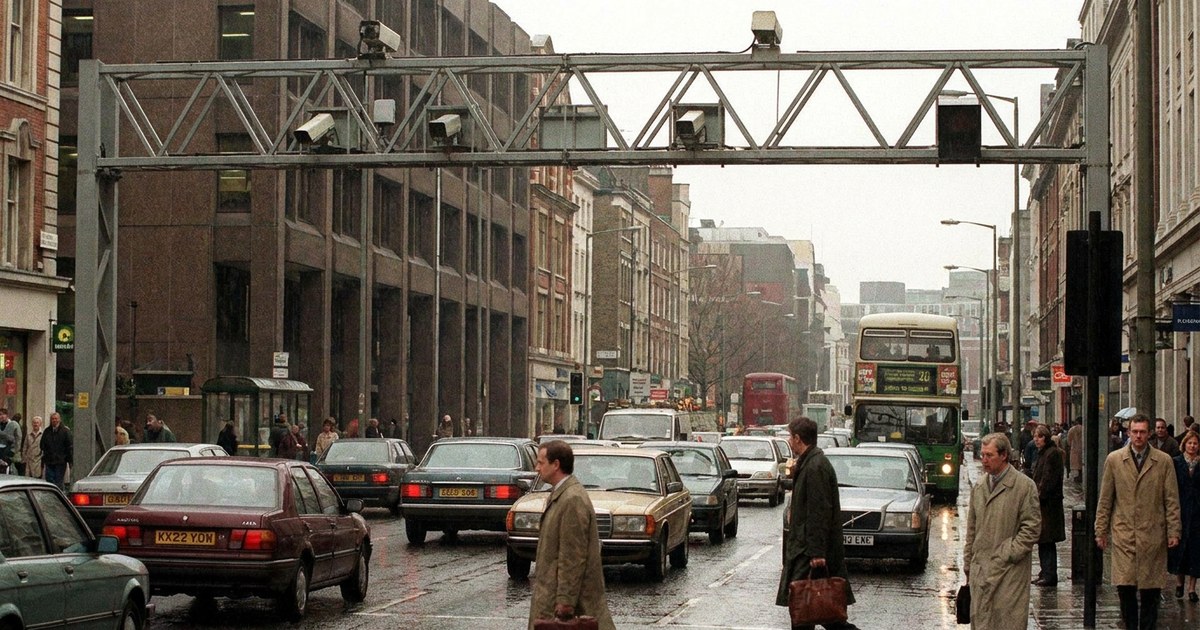
The debate over dynamic and demand-based pricing that has dominated headlines in retail, airlines, and live entertainment throughout 2026 is increasingly extending into transportation and public infrastructure discussions, as policymakers and industry observers examine similar demand-responsive pricing models used elsewhere.
Dynamic pricing first gained mainstream traction in professional sports when the San Francisco Giants pioneered algorithmic ticket pricing in 2009, a practice subsequently adopted across Major League Baseball, the NHL, and the NBA. The same underlying logic, adjusting prices upward during high demand and downward during low demand, has since spread to airlines, hotels, ride-hailing, and now faces growing public debate when applied to essential services and infrastructure.
As FIFA's World Cup ticket pricing controversy and state-level surveillance pricing bans illustrate, the core tension is consistent across sectors: dynamic pricing can efficiently allocate scarce capacity, but public tolerance for algorithmic price changes drops sharply when applied to necessities, emergencies, or events with strong emotional stakes rather than discretionary purchases.
Get the bi-weekly brief
Teasers of the latest articles, delivered every two weeks.