The CFPB dropped its BNPL rule. Some states picked it up anyway.
Federal oversight of buy-now-pay-later as a form of credit has effectively paused. New York and other states aren't waiting for it to come back.
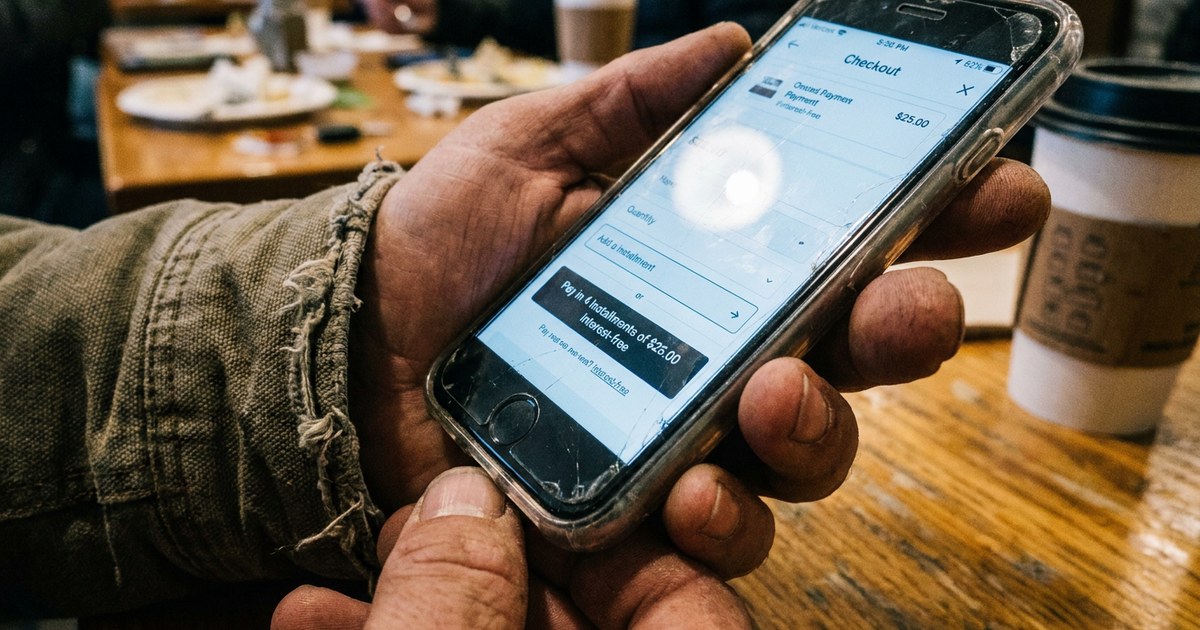
The CFPB's 2024 interpretive rule, which treated certain buy-now-pay-later "Pay in 4" products as credit cards subject to Truth in Lending Act disclosure and dispute-resolution requirements, is no longer in effect. The Bureau withdrew it on May 12, 2025, and confirmed in a June 2025 court filing that it does not intend to reissue any version of it, telling a federal court the original interpretation had "applied ill-fitting open-end credit regulations to BNPL products, which are generally structured as closed-end loans." The CFPB separately announced it would not prioritize enforcement under the rule even before formally withdrawing it.
The retreat comes as BNPL volume keeps climbing. The Congressional Research Service, citing CFPB data, put "Pay in 4" originations at $2.2 billion in 2019, growing to $43.9 billion in 2023, with CRS estimating growth to roughly $63.3 billion in 2025 — growth that Adobe's holiday shopping data corroborates from the retail side, with BNPL driving $20 billion in 2025 holiday online spend alone.
States are stepping into the space the CFPB vacated. New York's Department of Financial Services has published proposed rules requiring BNPL providers to register with the state, implementing a law Governor Kathy Hochul signed as part of the state's FY26 budget. Other states are expected to follow a similar pattern to the one seen in algorithmic pricing and subscription cancellation: federal retreat under the current administration, paired with a patchwork of more assertive state-level rules filling the gap.
For merchants and BNPL providers, the practical risk isn't federal — for now — but the accumulating state-by-state compliance burden of registration, disclosure and underwriting requirements that increasingly resemble the credit regulation the CFPB explicitly declined to impose at the federal level.
Get the bi-weekly brief
Teasers of the latest articles, delivered every two weeks.